Beyond the Warning Signs: Culture, Identity, and Suicide Prevention with Adolescents and Young Adults
In-Person Training (Knoxville)
This training is presented in partnership with the University of Tennessee, Chi Sigma Iota: Upsilon Theta Chapter.
3 CE Hours

“Beyond the Warning Signs: Culture, Identity, and Suicide Prevention with Adolescents and Young Adults”
Shalonda M. Kirk, NCC, LPC (AL); Evan Richardson, A-LPC/MHSP (TN), NCC
Presentation Date & Time
Friday, October 23, 2026
9:00am-12:00noon EDT
8:30am Registration & Refreshments
Location
Laurel Church of Christ
3457 Kingston Pike
Knoxville, Tennessee 37919
Directions
Suicide prevention with adolescents and young adults requires more than recognizing warning signs. Culture, identity, developmental context, and systemic experiences can influence how suicidal distress is expressed, whether help is sought, and how individuals experience mental health care. This interactive workshop prepares counselors to recognize, assess, and respond to suicidal distress using developmentally informed, culturally responsive, and identity-affirming approaches. Particular attention will be given to Black and LGBTQ+ adolescents and young adults and the unique factors that may influence suicide risk, protective factors, help-seeking, and access to care. Through case-based application and practical strategies, participants will strengthen their skills in suicide inquiry and assessment, safety planning, referral, and culturally responsive clinical decision-making.
Objectives:
- Identify at least three developmental, cultural, identity-related, or systemic factors that may influence suicide risk, protective factors, or help-seeking among adolescents and young adults.
- Differentiate suicide warning signs, risk factors, and protective factors from indicators requiring further suicide assessment or immediate clinical intervention.
- Describe at least two barriers to help-seeking and access to affirming mental health care among historically underserved adolescents and young adults, with attention to Black and LGBTQ+ populations.
- Apply culturally responsive and identity-affirming strategies for suicide inquiry, assessment, safety planning, referral, and continuity of care to an adolescent or young-adult case scenario.
About the Speaker(s)
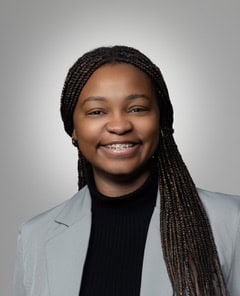
Shalonda M. Kirk, NCC, LPC (AL)
Shalonda M. Kirk, M.S., LPC (AL), NCC, is a Ph.D. candidate in Counselor Education at the University of Tennessee, Knoxville. She has professional experience in university counseling, community mental health, crisis intervention, counselor education, and clinical supervision. Her clinical work has included suicide risk assessment, crisis response, case management, and culturally responsive counseling with college students and other diverse populations. Kirk’s scholarship examines mental health help-seeking among Black emerging adults, suicide prevention, culturally responsive assessment and diagnosis, and counselor preparation. She is trained in Applied Suicide Intervention Skills Training (ASIST) and is a member of the American Association of Suicidology. Through her research, teaching, and clinical practice, she is committed to strengthening culturally responsive approaches to recognizing suicide risk, supporting help-seeking, and connecting adolescents and young adults with appropriate care.
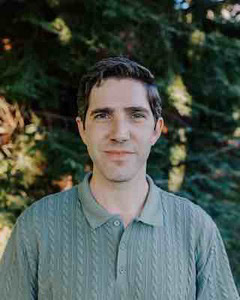
Evan Richardson, A-LPC/MHSP (TN), NCC
Evan Richardson (he/him), MDiv, MS, A-LPC/MHSP, NCC is a Tennessee native and a current graduate student in the Counselor Education Ph.D. program at the University of Tennessee, Knoxville. Evan’s counseling background has been in non-profit, group practice, and university settings. Suicide, grief, adolescence, and LGBTQIA+ identities are common experiences of the clients he sees. Additionally, his research agenda looks at the intersection of adolescence, suicide prevention, and LGBTQIA+ identities. Prior to entering the counseling profession, Evan worked in ministry and higher education spaces which ground his work to be culturally humble and considerate of systemic influences.
Presenter Contact
If you any questions, please contact Brittney Carneal.
TLPCA Contact
If you any questions, please contact Nathan West.